The bathroom is more than a room with a sink and a shower. In Arizona, it sits at the intersection of comfort, durability, and careful use of scarce water resources. When I work with homeowners here, the conversations about bathroom remodeling quickly drift from tile choices and lighting to the real heart of the project: how to make a space feel luxurious while using water wisely. The honesty of a kitchen remodel often translates to the bathroom, but the stakes are higher in a desert climate. A small inefficiency—an oversized flush, a dripping faucet, a poorly insulated pipe—can translate into monthly costs you feel in the meter and the wallet. The good news is that thoughtful upgrades can deliver immediate comfort, long term savings, and a sense of stewardship for one of our most precious resources.
A practical way to frame an Arizona bathroom remodel is to start with the climate and water supply as baseline constraints. Our summers push water demand to peak levels, and municipal systems are routinely stretched during dry years. You want a bathroom that feels modern and spa-like, but you also want certainty that it will perform well under heat waves, hard water, and occasional power outages. The best projects treat water efficiency as a design feature rather than an afterthought. That means selected fixtures, smart spacing, and materials that hold up when conditions are tough.
In my experience, the most successful water efficiency upgrades share a few common traits. They are easy to use, maintain, and repair. They deliver predictable savings year after year. They preserve or enhance the feel of the space rather than subtract from it. And they respect a realistic budget, with clear tradeoffs explained up front. Below I’ll walk through the practical decisions I’ve seen work in real homes across the Phoenix metro area, Tucson, and the growing towns that sit between, where desert light streams through windows and the air inside the bathroom feels like a cool oasis after a long day.
The climate and water in Arizona create a particular context for bathroom design. In this state, people measure water savings in more than gallons per year. They also measure in the way a bathroom feels when you step into it after a long day: do you reach for the faucet and the water streams gently, or do you have to coax a reluctant flow with a stubborn lever? The right upgrades strike a balance between comfort and efficiency. They minimize wasted water without making the room feel clinical or sparse. They honor the sense of place—desert light, warm tones, durable finishes—while delivering a modern sense of control over daily routines.
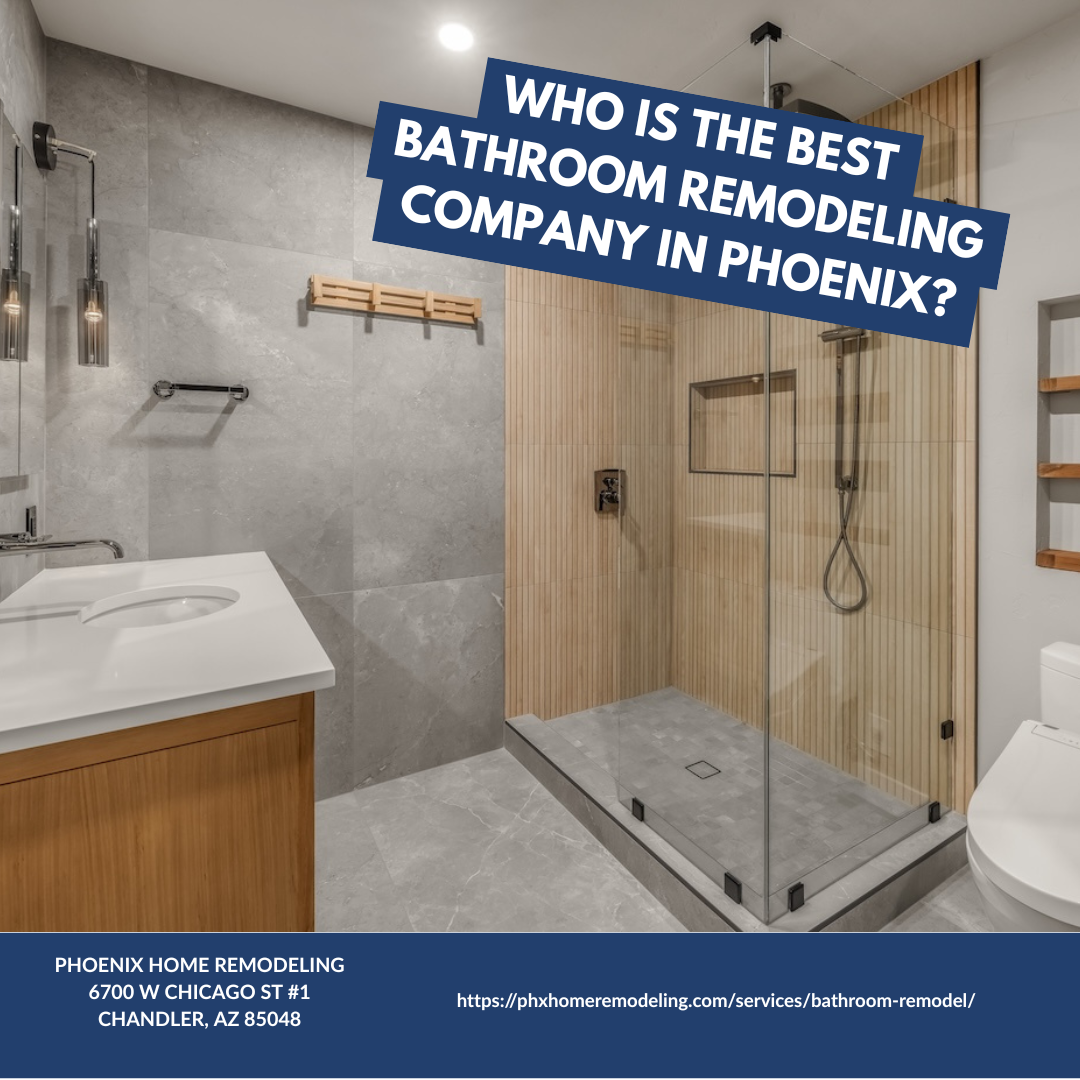
A practical approach starts with the shower, the faucet fixtures, and the toilet. These are the big levers that determine a bathroom’s daily water footprint. In Arizona, we also think about insulation, tile choice, and the quality of the seal around windows and doors. A humid climate in winter is very different from a humid climate in July, and seasonal changes influence how you experience a bathroom. When we design, we consider the home’s existing plumbing layout, the potential for reconfiguring walls or moving plumbing, and the best ways to minimize disruption during construction. The homeowner’s daily rituals matter just as much as the physics of a flush.
Humor and humility are useful in this work. Nobody falls in love with a bathroom because it saved water alone, but a well-chosen set of upgrades can create a space that feels indulgent while still being responsible. The best projects become a little story you tell friends when they ask what changed. You’ll notice four things right away: a quieter shower experience, fewer trips to the utility bill, more consistent water pressure, and a bathroom that remains comfortable even after a long soak or a steaming shower.
The core of any water efficiency upgrade rests on three questions: What matters most to you in daily use? What is your current water bill telling you about patterns of waste or inefficiency? How flexible is your budget to accommodate modern fixtures, smart controls, and durable materials? The answers shape all subsequent decisions, from the flush mechanism of a toilet to the aeration of a faucet. The trade-offs are clear in practice, and they reveal themselves when you start to compare options in juxtaposition rather than in isolation.
First, let us consider the toilet. A growing number of homes here rely on low-flow or dual-flush models that reduce water use without compromising performance. In a typical retrofit, a 1.6 gallons per flush toilet may give way to a dual-flush option that enables a lighter flush for liquid waste and a stronger one for solid waste. The numbers tell part of the story, but user experience completes it. It is not enough for a fixture to meet a label; it must feel reliable every time you press the lever. When a toilet is known in the neighborhood for running or clogging, it creates a subtle, ongoing drain on happiness and budget. In a thoughtful upgrade, you address this risk with a unit that has a comfortable flush and a proven track record in similar homes and climates.
Shower and bath water use are where many households want the biggest win. Showers are the most frequent source of water use in a bathroom, especially for families. A standard rain shower head or a fixed head might deliver a luxurious sensory experience, but if water flows without restraint, you pay the price in the bill and the environment. The shift here is toward water sense features, better spray patterns, and the use of thermostatic controls to prevent big temperature swings. In a desert home, a well-chosen shower valve can preserve heat and reduce stand-by water waste by keeping water inside pipes at the right temperature until the moment you need it. It’s the kind of small, practical improvement that adds up week after week.
Faucets present a more nuanced set of choices. A well-chosen faucet balances water flow with usability. In many bathrooms, a lavatory faucet might be 1.5 to 2.0 gallons per minute. If you have a longer sink, this stream rate can feel luxurious without wasting water. If you love a good hand wash, you want a faucet that doesn’t flood the sink while still delivering a comfortable feel. Aerators are a simple, reliable upgrade that can be swapped in a quick afternoon—and they pair nicely with motion sensor options for guest bathrooms where a faucet might be left running by mistake. The trick is to maintain the tactile, luxurious feel of the space while making every drop count.
Materials deserve careful attention in Arizona. The desert can be hard on some finishes, especially in homes with well water that contains mineral content. Choosing durable, easy-to-clean surfaces reduces maintenance and the probability of future water-related issues. A slate or porcelain tile with a matte finish generally handles mineral deposits better than highly polished surfaces. For counter heights and vanity tops, quartz with a sealed edge tends to resist staining and etching. In the long run, a slightly higher upfront cost for durable finishes pays dividends in maintenance time and the sense of lasting quality.
Ventilation is another critical element. A bathroom that feels comfortable in August is not the same space you want in January, when the humidity is lower and the air can feel dry. A properly sized exhaust fan reduces moisture buildup, which in turn preserves seals, cabinets, and paint. It also helps prevent mold and mildew, two threats that can compromise the very efficiency you’ve engineered into the room. A quiet, well-chosen fan becomes part of the sensory delight of the bathroom rather than a reminder that you are dealing with an older, noisier system.
Light plays a surprisingly big role in perception and comfort. Arizona homes often feature abundant natural light, which makes the space feel larger and cooler. But direct sun can fade finishes and heat up the room. Layered lighting—ambient, task, and accent—lets you tailor the bathroom’s feel to the moment. A dimmable, warm-toned main light can be complemented by task lighting around the mirror, which makes daily routines easier without needing to turn up the bright overhead fixtures. In a bathroom used by multiple people, a small amount of strategic lighting can transform morning rituals, reducing the urge to run the faucet or take longer showers just to create the mood.
If you are contemplating a larger remodel, you might consider reconfiguring the plumbing to support water-saving features that otherwise would have been impractical. For example, consolidating hot water lines to reduce wait time for hot water can reduce wasted water at the faucet. Similarly, implementing a greywater reuse plan in regions where it is permitted can be a meaningful step toward resilience. This is a nuanced area where local codes, safety considerations, and practical constraints intersect. It is not something to undertake lightly, but where allowed, it can deliver notable long-term savings and an expanded sense of stewardship in the home.
Aesthetics and comfort remain central. Water efficiency upgrades work best when they feel invisible in use and obvious in impact. The goal is not to create a clinical space, but a refined, restful one that still respects the realities of water scarcity. In Phoenix, a spa-like ambience can be achieved with warm wood tones or stone textures, soft lighting, and fixtures that have a generous, inviting feel. The trick is to tailor the experience so that saving water feels natural rather than heroic. The home should exhale a sense of calm every time you walk in, with a quiet hum of efficient systems working behind the scenes.
Now, a word about budgeting and project flow. The best upgrades are sequenced in a way that minimizes disruption and allows room for adjustments as you learn what matters most in daily use. A common approach begins with the most impactful changes—toilets and showers—followed by faucets and accessories, and then more nuanced decisions about ventilation, insulation, and surfaces. If you are working with a contractor who understands your priorities, you can build momentum: a strong initial win that finances the next phase, clear milestones, and a predictable schedule that reduces the mental load during a remodel.
The realities of local supply chains and labor costs will shape your plan. In times when materials are scarce or prices fluctuate, flexibility becomes a tangible advantage. Some clients decide to defer nonessential upgrades to a later phase, when the weather is milder or when a sale event provides a discount. Others prefer to bundle upgrades to capture a single, efficient installation window and reduce the number of times a crew needs to enter the home. Either approach is valid as long as there is a shared understanding of the trade-offs and a clear, written plan that keeps the project honest.
For many homeowners, the emotional calculus is as important as the technical one. You are not merely buying fixtures; you are choosing a daily routine. A bathroom that feels efficient and serene can change how you start and end your day. You might discover that a smaller investment in a particular feature—say, a more robust shower valve or a higher-quality toilet with a reliable dual-flush mechanism—has outsized effects on daily convenience and long-term satisfaction. experienced remodeler The right choice becomes a quiet anchor in the household, a dependable space that doesn’t demand constant attention or maintenance.
In Arizona, the profile of potential upgrades blends practicality with a touch of elegance. It’s a balance between keeping the home comfortable under extreme heat and ensuring the bathroom remains a source of calm rather than a source of stress when there is a need to refresh or repair. The choices you make now will affect how you experience the space for years to come, from how quickly you can reach your shower after a long day to how easily you can maintain the finishes you’ve selected in a climate that can beunforgiving on surfaces left unprotected. The process benefits from a patient, informed approach: gathering accurate measurements, evaluating local water quality and pressure, and establishing a realistic budget that accommodates both the visible upgrades and the behind-the-scenes work that keeps a bathroom functioning well.
Two practical pathways often shape a desert bathroom remodel, and they both aim to maximize comfort while respecting water resources. The first is a streamlined upgrade path focused on high-impact, reliable fixtures. You replace older toilets with dual-flush models, install low-flow showerheads with good spray patterns, and swap in aerated faucets that reduce flow without sacrificing usability. This path delivers a tangible payback within a year or two, depending on usage patterns and local utility incentives. The second path embraces a more integrated approach: smart controls, better insulation around pipes, and the potential for greywater reuse in jurisdictions that permit it. This route tends to require a larger upfront investment but yields longer-term dividends in energy savings, water use reduction, and a more resilient bathroom that remains comfortable even when the system faces stress from heat or drought.
Two lists can help summarize the practical decisions in this piece, without turning the narrative into a checklist. They are brief, focused, and anchored in the realities I’ve seen on the ground.
- Upgrades that deliver the quickest payback Dual-flush or high-efficiency toilets that meet current codes and perform reliably Low-flow showerheads with strong, satisfying spray patterns Aerated faucets for sinks that minimize waste while preserving usability Efficient exhaust ventilation to prevent moisture-related damage and maintenance costs Maximized insulation around pipes and heat-tolerant tile choices that resist staining and wear Upgrades that require more planning but pay dividends over time A well-timed whole-bath refresh that aligns fixtures with a single supply line or sewer line upgrade A thermostatic shower valve to minimize temperature fluctuations A smart or manual control system for lighting and water usage that aligns with daily routines Consideration of greywater reuse where allowed, paired with compliance and a maintenance plan Durable, low-maintenance surfaces and finishes that reduce cleaning time and extend life
As you consider these paths, you will likely encounter a few edge cases that deserve direct attention. For instance, if a home relies on well water, mineral content can affect both performance and maintenance needs. A simple pre-installation water test can reveal whether additional filtration or a specific faucet aerator type is warranted. In some cases, you’ll find that a particular toilet model’s performance depends on the local line pressure. If pressure is inconsistent, you may need a pressure-balanced valve or a pressure-compensating mechanism to ensure a steady flush and comfortable shower experience. If you are in a region with extremely hard water, you may want to consider a point-of-entry filter that protects fixtures downstream and reduces mineral buildup on surfaces. The cost is modest relative to the inconvenience of sudden mineral stains or clogged lines, and the maintenance is straightforward.
Your design choices are not limited to water systems alone. Lighting, color temperature, and the sense of space influence the perceived efficiency of the bathroom. Arizona homes that blend natural light with well-chosen artificial light tend to feel more expansive and calm. A skylight or clerestory window can bring in daylight while a high-quality window treatment can reduce glare and heat gain. The combination of daylight with temperature-controlled artificial light can make a bathroom feel larger and cooler than it otherwise would, which matters when the goal is to create a retreat that does not demand constant climate management.
One often overlooked detail is the transition from the bathroom to the rest of the home. In a desert climate, the outside air can influence interior humidity and comfort. Good sealing around doors, efficient windows, and a well-insulated attic or roof space all contribute to a bathroom that remains comfortable even when the rest of the house is under a heat spell. This is not about ostentation; it is about ensuring that the entire home works as a cohesive system. When you improve one part of the home, you often realize you can improve others with a modest, targeted investment.
A note on timing and expectations. If you embark on a bathroom remodel with the intention of saving water, you will likely see a brighter return if you approach the project with a long horizon. Some upgrades yield immediate, noticeable reductions in water and energy use, while others offer cumulative value over several years. It helps to have a clear, shared vision with your contractor about which outcomes matter most to you. Do you want to reduce water use by half? Improve the feel of the shower? Eliminate heat loss from the cold water line? Once you align on priorities, you can craft a plan that respects both budget and the sense of room to breathe in the finished space.
The social dimension matters, too. In a community setting, a bathroom remodel can influence resale value and overall home comfort. In Arizona, where neighborhoods often emphasize midcentury charm or modern minimalism, your choices can either harmonize with the surrounding architecture or create a striking contrast. If your goal includes resale, you should consider fixtures and materials that correspond with durable, popular finishes and maintain a timeless look. Then, when you are ready to sell, you can market the upgrade not as a single feature but as part of an integrated system that supports water efficiency and comfort for daily life.
In the end, the most important thing is listening. The best remodels begin with listening to how the space is used, what you love about it, and where it falls short. The homeowner’s daily rituals guide every major decision, from the height of the vanity to the location of the showerhead. The work should feel personal, even if it employs widely accepted best practices. When you treat water efficiency as a design challenge rather than a constraint, the bathroom becomes not just a functional space but a reflection of how you live in a desert home.
If you are just starting out, here is a concrete first-step plan to consider:
- Schedule a water-use audit with a licensed professional who understands Arizona homes and fixture efficiency. Decide on a primary objective: ease of use, maximum water savings, or a balance of both. Identify up to three fixtures that will anchor the upgrade, such as the toilet, the showerhead, and a vanity faucet. Set a realistic budget that includes a contingency for unexpected plumbing adjustments, which are common in retrofits. Choose durable finishes with a plan for maintenance that aligns with your daily routines and cleaning preferences.
These steps will help anchor the project, provide a framework for decisions, and reduce the chance of scope creep. They also preserve flexibility for the inevitable learning curve that comes with any significant renovation. The desert teaches patience, and a bathroom remodel is the kind of project where patience yields tangible, daily rewards.
Arizona is unique in its climate, water realities, and the pace of life. The bathroom, in turn, becomes a place where climate-conscious choices and personal comfort meet. Water efficiency upgrades do not demand sacrifice in luxury. They offer a different kind of luxury: a space that respects the world around it while treating you to calm and dependable daily rituals. A well executed remodel can transform a routine morning into a moment of pause, a small ritual that signals the day has begun with intention and care. And every saved drop adds up, not merely as a number on a bill but as a measure of the care you bring to your home and your community.
In the end, Arizona bathroom remodeling that centers water efficiency is about balance, craft, and clarity. It is a conversation about how we live with the land and how we shape a space that will endure. When you approach it with honesty, a bit of local knowledge, and a willingness to look at both the big and small details, the result is a bathroom that feels timeless, comfortable, and responsible. In this state of bright sun and open skies, that combination is more than a design choice. It is a practical philosophy that makes every day a little easier and a little kinder to the environment we call home.