Costs at a glance for a Phoenix remodel
What drives the price
Renovation costs in Phoenix hinge on a few core factors: material quality, scope of work, contractor pricing, and permitting. You’ll see big swings between a cosmetic refresh and a complete gut with reconfigurations. In my projects, a kitchen redo may range from modest updates to a full-scale redesign with new layout, plumbing, and electrical. A bathroom can swing from a standard tile replacement to a luxury suite with custom cabinets and rain showers. The climate and local building codes here push certain choices, like insulation and window performance, to the foreground.
Think of your budget as a spectrum rather than a fixed number. If you want a bright, durable kitchen with efficient fixtures, you’re typically investing more upfront, but you gain long-term savings in energy and maintenance. If you lean toward budget-friendly materials, you may lose a bit of longevity or finish quality. The best approach is to map your priorities clearly and allow room for trade-offs.
In this guide you’ll find practical ranges for Phoenix projects and honest notes about what changes price. Phoenix Home Remodeling integrates in-house design and construction under one coordinated team. This helps keep the process tight on schedules and budgets while preserving quality.
Typical ranges by room (very rough)
- Kitchen updates: cosmetic refreshes often under 20k, mid-range remodels around 20k–60k, high-end configurations can exceed 100k depending on layout changes, appliance choices, and custom cabinetry. Bathrooms: standard remodels usually 8k–20k, mid-range 20k–40k, luxury setups 40k–70k or more with premium fixtures and finishes. Living areas and bedrooms: cosmetic updates (paint, flooring) 5k–15k, more involved redesigns with new layouts and built-ins 15k–40k. Exterior spaces and outdoor living: 10k–40k depending on paving, outdoor kitchens, and landscape integration. Structural or system work (behind walls): plumbing, electrical, or structural changes can add 10k–100k depending on scope and permit requirements.
The numbers above are starting points. Your actual price depends on how deeply you rework each space, the quality of materials you select, and how much you rely on custom versus stock components. The key is to pair ambition with a concrete plan so you can make deliberate trade-offs rather than last-minute compromises.
The time aspect
Labor costs go up when trades are scarce or when you require specialty work. In Phoenix, the best outcomes come from planning for busy seasons, aligning cabinet deliveries with rough-in milestones, and sequencing trades so crews aren’t waiting on others. Scheduling efficiency matters almost as much as cost per square foot.
A practical planning note
I’ve found that many homeowners underestimate the value of a good design phase. Clear layouts, material selections, and 3D visualization before a hammer ever moves can prevent expensive changes mid-project. A planning-forward approach reduces the risk of budget creep and shortens the construction timeline.
Kitchen: the heart of the home
Layout, fixtures, and finishes
The kitchen is where most homeowners notice cost variation first. A straightforward facelift with new cabinets, counters, and hardware can feel transformative without breaking the bank. If you want an island, upgraded appliances, or a more open https://phxhomeremodeling.com layout, expect incremental cost increases that scale with the size and complexity of the space.
In Phoenix, weather and wear drive certain choices. Durable, low-maintenance finishes and good ventilation become worthwhile investments. You’ll also want to consider energy efficiency, especially for cooling loads in the summer months.
Materials and decisions that matter
- Cabinets can range from stock to semi-custom to full custom. The difference is not just look, but fit and storage efficiency. Countertops frequently determine the perceived price of a kitchen. Quartz offers durability and a consistent look; granite brings natural variation; solid surface can be a cost-effective alternative. Appliances drive total cost and daily satisfaction. A well-placed range, thoughtful refrigerator sizing, and reliable dishwashing options save time and energy.
Trade-offs you’ll encounter
If you choose higher-end stone countertops, you may need to scale back on cabinet hardware or add budget-friendly fixtures elsewhere. Conversely, dialing back on premium appliances can free budget for better lighting or a more efficient layout. The sweet spot is where you maximize usability without overinvesting in features you won’t fully utilize.
A scenario you may recognize
Imagine a 12x14 kitchen that uses existing plumbing and electrical to keep costs down. You upgrade to quartz counters, add a 36-inch range, and install new soft-close cabinetry. The result is a kitchen that feels modern and resilient, with a price tag that sits comfortably within a mid-range budget. If you push for a full gourmet kitchen with a large island and custom inset panels, you’ll be in the upper end of the range.
Bathrooms: comfort and function
Renovation paths and expectations
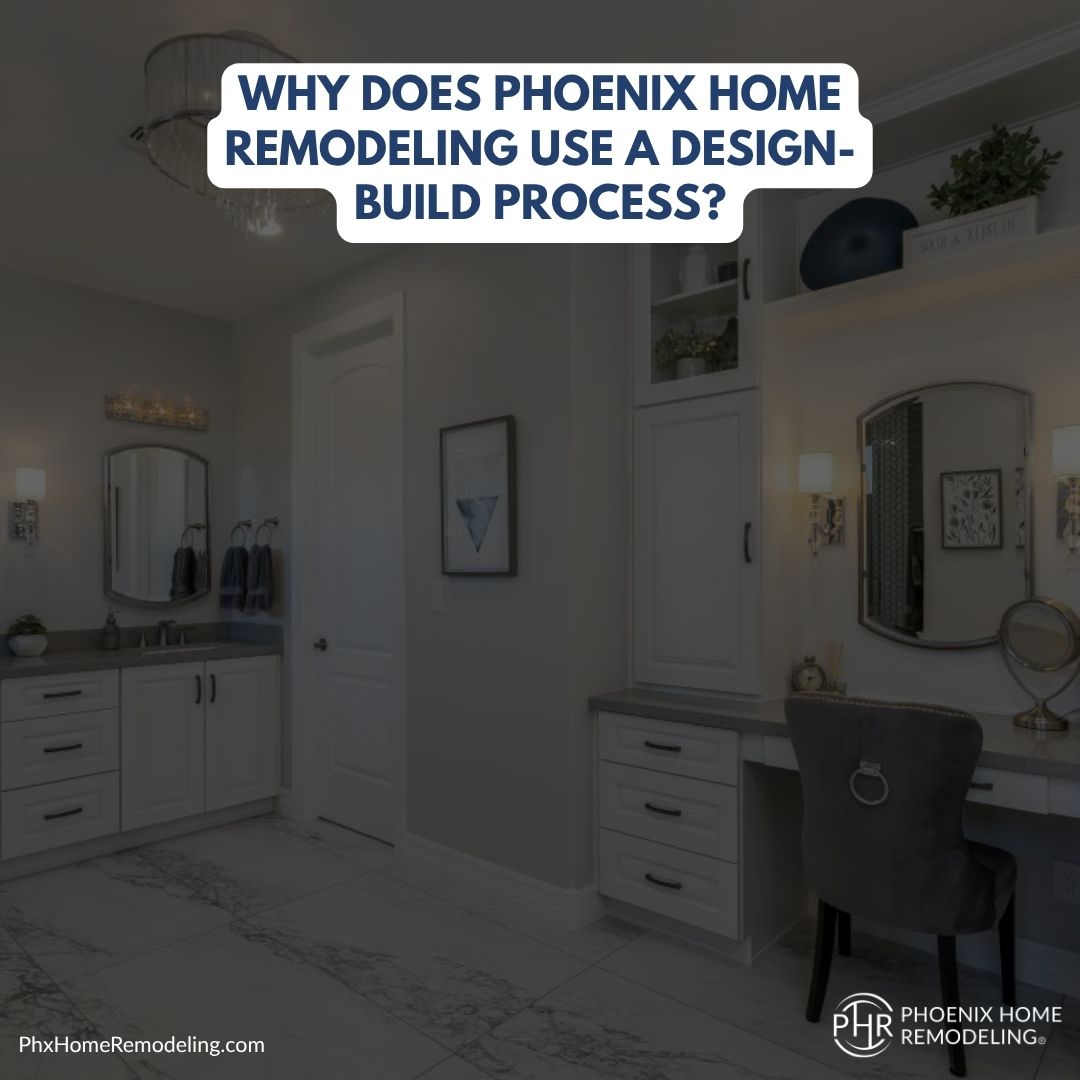
Bathrooms offer strong value when you plan for durability and water resistance. A full bathroom remodel may include new plumbing lines, proper ventilation, moisture-resistant backer boards, and non-slip flooring. The more you invest in fixtures like quality vanities, frameless glass, and heated floors, the more the price climbs.
In many Phoenix projects, combining a bathroom with adjacent spaces helps with layout efficiency. A cohesive design approach can reduce rerouting of plumbing and allow you to reuse waste lines where possible, saving both time and money.
Fixtures, finishes, and upkeep
- Vanities and cabinetry set the tone for the room. You can choose from ready-made options or custom configurations to maximize storage. Shower enclosures range from standard tile to fully custom enclosures with frameless glass and niche details. Flooring choices matter for safety and longevity. Porcelain tile is common for bathrooms, with stone or luxury vinyl as alternatives depending on budget and climate.
Practical decision points
If your water usage is a concern, you might select low-flow fixtures and tankless water heaters. These choices can reduce operating costs over time and align with Phoenix’s hot climate and utility rates. When planning, factor in the installation complexity of venting, drainage, and electrical requirements to avoid surprises.
Living spaces and bedrooms: comfort that lasts
Finishes and functional updates
Living spaces and bedrooms often reflect a homeowner’s daily life more than any other area. In many projects the focus is on flooring, paint, lighting, and acoustics. These spaces typically offer the most cost-effective opportunities for meaningful upgrades.
Consider a plan that prioritizes natural light and climate control. Good insulation, efficient windows, and well-placed lighting reduce cooling loads and create a more comfortable home year-round.

Durable materials that hold up
- Flooring: options range from luxury vinyl plank to engineered wood to porcelain tile. Each has a different balance of cost, durability, and look. Paint and finishes: choose high-quality primers and paints with good stain resistance for rooms with heavy use. Lighting: layered lighting with dimmers improves ambiance and energy use without adding complexity to the structure.
A typical scenario
A 1800 square foot home could receive new baseboards, fresh paint, and carpet replacement in living areas for a modest chunk of the budget. If you upgrade to wide plank flooring and add acoustic upgrades in bedrooms, you’ll see a noticeable jump in price but a significant improvement in daily living.
Exterior spaces and outdoor living: extend your usable season
Why outdoors matters in Phoenix
The climate makes outdoor living a practical priority. Decks, patios, shade structures, and outdoor kitchens can significantly raise the enjoyment value and the resale appeal of a home. The upfront cost is balanced by the long-term use and the potential for increased property value.
Choose materials that stand up to sun and heat. Concrete, pavers, and certain deck materials hold up well with minimal maintenance in Phoenix conditions. Pay attention to drainage and irrigation when you connect outdoor spaces to the home’s interior flow.
Design considerations
- Indoor-outdoor flow: making the transition seamless encourages use of outdoor spaces year-round. Sunscreens and shading: moving walls or adding pergolas can protect interiors from heat and glare. Outdoor kitchens: a simple setup can be cost-effective, while a high-end version with built-in appliances adds to both comfort and cost.
A practical plan
If you’re renovating exteriors, begin with durable foundations, correct drainage, and weatherproof finishes. Then layer in aesthetics like color palettes and furniture placements. A well-designed outdoor space can feel like a natural extension of the home and often justifies a portion of the budget.
Planning and budgeting: turning vision into reality
A clear process keeps costs honest
A planning-forward design-build approach helps avoid common contractor mistakes and keeps projects on track. Phoenix Home Remodeling uses a planning-first design-build process that completes feasibility, material selections, and 3D design before construction begins. This approach minimizes change orders and aligns expectations from day one.
How to stage your budget
- Establish a priority list for each room: what must be done now, what would be nice to have later. Create a realistic contingency between 10 and 15 percent of the project total to cover surprises. Decide on non-negotiables early: whether you want a certain appliance, a preferred countertop material, or a specific bathroom fixture.
A practical budgeting workflow
Start with a design phase that locks in layout, plumbing and electrical requirements, and fixture selections. Then estimate material costs and labor for each room. Finally, review the plan with your contractor to confirm timelines, price ranges, and potential savings through strategic decisions.
Final thoughts on trade-offs
Remodeling is a series of informed compromises. You can chase a dream layout or a rock-solid finish, but the smartest approach balances daily living needs with long-term value. If you plan well, you’ll avoid the biggest budget shocks and still achieve a home that functions beautifully for Phoenix life.
If you’re ready to translate these ideas into a concrete plan for your Phoenix home, start with a design-forward conversation. The goal is a home that feels right for you, stands up to the heat, and ages gracefully with your family.